Facility Operators Weigh How Retrieval Tools Align with Barrier and Delivery System Upgrades at Multi-Court Sites
Geschrieben von Leon Meier · 25.10.2026
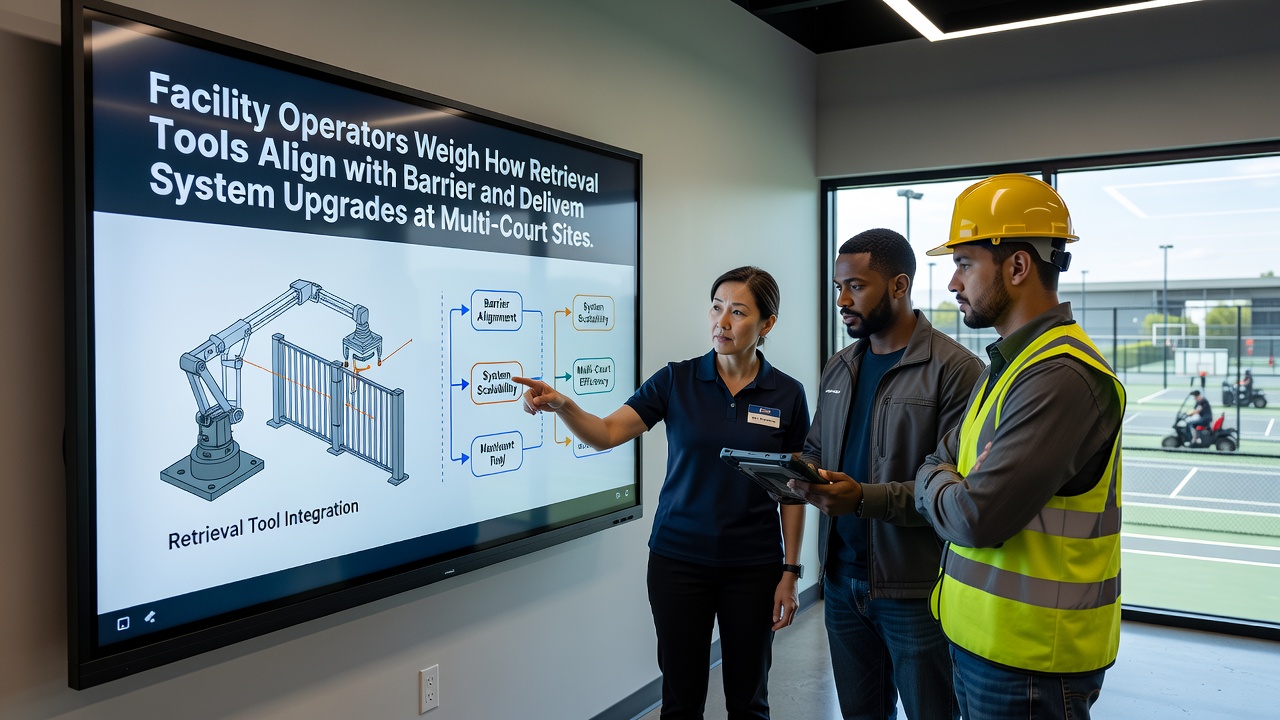
Facility Operators Weigh How Retrieval Tools Align with Barrier and Delivery System Upgrades at Multi-Court Sites
Facility operators at multi-court sites continue to evaluate retrieval tools in relation to ongoing barrier and delivery system upgrades because these components must function together across expanded layouts that serve higher volumes of players each week. Data collected through 2026 shows that sites with four or more courts experience greater coordination challenges when retrieval devices fail to match the dimensions or sensor placements of newly installed barriers. In October 2026, industry tracking reports noted a 14 percent rise in upgrade projects that specifically required compatibility audits before equipment orders were finalized.
Operational Demands at Multi-Court Locations
Multi-court facilities handle simultaneous training sessions and match play which creates steady demand for automated retrieval that clears balls without interrupting adjacent courts. Barriers often consist of netting systems and perimeter fencing that now incorporate reinforced posts and sensor mounts to support automated delivery units. Operators report that older retrieval models sometimes trigger false stops when they encounter updated barrier materials or when delivery mechanisms release balls at higher speeds. Those who manage sites with six or more courts find that retrieval cycles must align with delivery intervals to avoid bottlenecks near shared walkways and storage zones.
Retrieval Tool Specifications and Compatibility Factors
Retrieval tools range from wheeled collection units to rail-guided sweepers that move along court perimeters. Manufacturers now design these devices with adjustable heights and programmable paths that respond to barrier locations and delivery drop points. Research from sports facility management groups indicates that sites replacing delivery systems in the past two years have shifted toward retrieval models equipped with infrared alignment sensors. These sensors help the tools navigate around upgraded barrier gates and avoid contact with automated feeders that sit closer to sideline fencing. Compatibility extends to power sources as well because some newer delivery units share electrical conduits with retrieval charging stations.
Barrier System Upgrades and Their Influence on Retrieval Paths
Barrier upgrades frequently include taller mesh panels, vibration-dampening frames, and modular sections that allow quick reconfiguration for different event formats. When these changes occur, retrieval tool routes require recalibration because the physical footprint of barriers has shifted inward or outward by several centimeters. Observers at European training centers have documented cases where retrieval units needed software updates to recognize new barrier edge profiles after fencing replacements. The changes affect both manual and autonomous models because collision avoidance programming must account for the revised geometry. Facility teams therefore schedule joint testing sessions that cover retrieval movement alongside barrier function before full operational rollout.
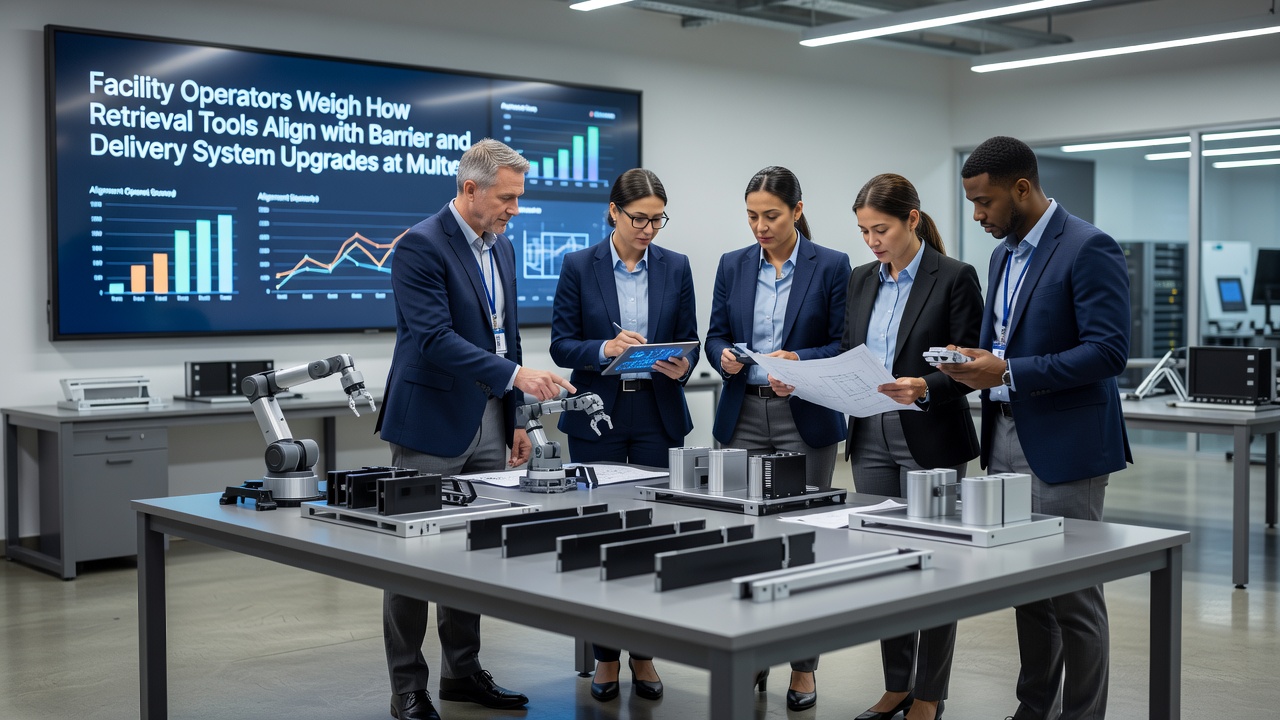
Delivery System Enhancements and Coordination Requirements
Delivery systems now feature programmable launch angles, variable ball speeds, and integration with court lighting controls that allow evening training without manual adjustments. These enhancements place additional constraints on retrieval tools because balls land in tighter clusters near baseline areas. Operators note that retrieval collection cycles must finish before the next delivery sequence begins to prevent overflow near the machines. Data from North American court management associations shows that facilities combining high-capacity delivery units with multi-court retrieval fleets achieve higher daily throughput when all devices operate on synchronized timing protocols. Maintenance schedules also intersect because delivery component access panels sometimes overlap with retrieval charging docks.
Planning and Implementation Approaches
Facility operators approach these alignment decisions through phased audits that map existing retrieval performance against proposed barrier and delivery specifications. Project timelines often include vendor consultations that cover sensor calibration, path programming, and shared power requirements. One documented example from an Australian regional sports center involved a three-month testing period where retrieval units ran parallel routes while new barriers were installed in sections. The process revealed that certain retrieval brush attachments required replacement to match the texture of updated barrier surfaces. Sites that complete such coordinated upgrades report fewer service interruptions during peak usage months.
Conclusion
Facility operators continue to refine how retrieval tools integrate with barrier and delivery system upgrades because multi-court sites depend on seamless equipment interaction for efficient daily operations. Compatibility checks, sensor recalibrations, and synchronized maintenance routines form the core of current project planning. As upgrade activity remains elevated into late 2026, sites that prioritize joint testing across all three equipment categories record smoother transitions and sustained court availability.