How Modular Component Systems Are Redefining Maintenance Protocols for Tennis Practice Setups
Geschrieben von Leon Meier · 22.11.2026
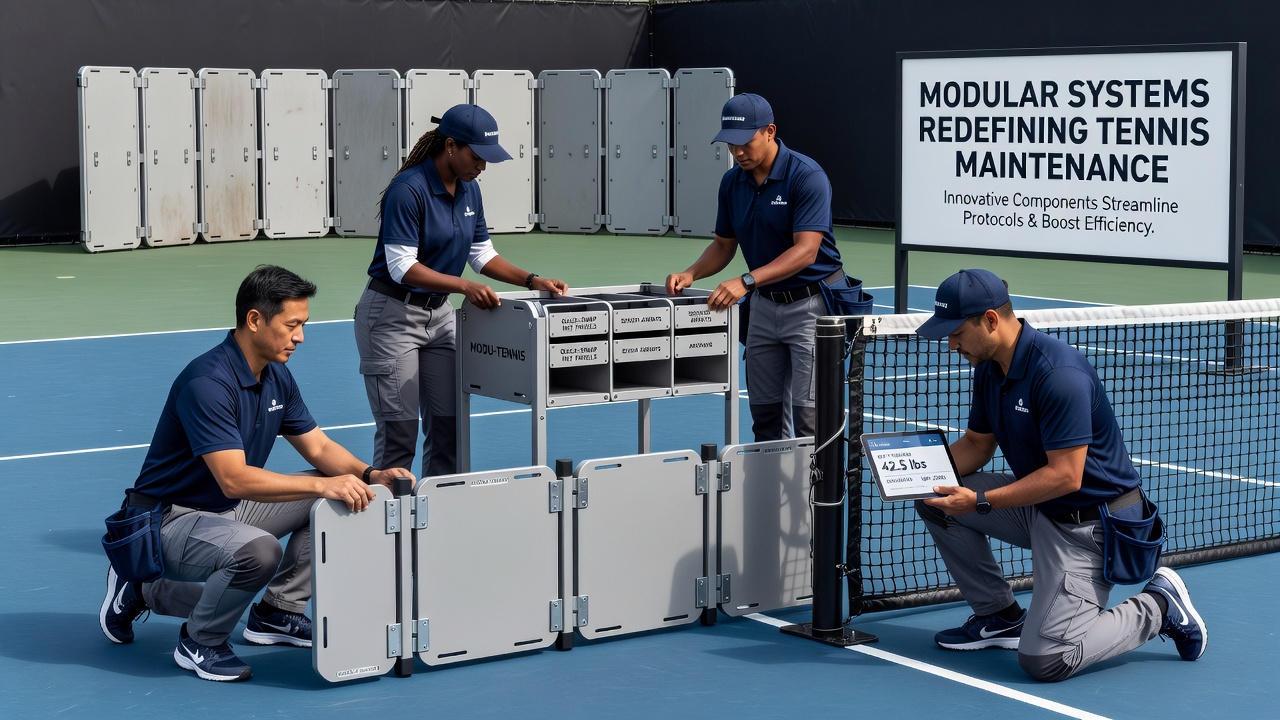
How Modular Component Systems Are Redefining Maintenance Protocols for Tennis Practice Setups
Modular component systems have entered tennis practice setups through interchangeable parts that support ball machines, retrieval tools, nets, and delivery units, and facilities now track maintenance through standardized interfaces rather than full unit replacements. These designs allow technicians to swap motors, sensors, or collection mechanisms without dismantling entire machines, while operators log service intervals by component rather than by machine model.
Core Elements of Modular Design in Court Equipment
Manufacturers build ball launchers around shared mounting plates and connector types so that a feeder assembly from one series fits multiple chassis models, and this approach reduces inventory needs at multi-court sites. Retrieval aids follow similar patterns with detachable tube segments and sensor modules that align across brands, and data from facility audits shows service times drop when crews carry fewer unique spares. Net systems incorporate clip-on tensioners and post adapters that match existing barrier frames, while delivery units use quick-release hoppers rated for consistent ball flow across different surfaces.
Technicians follow updated protocols that isolate faults to single modules before ordering replacements, and training programs now emphasize connector compatibility checks rather than complete teardown procedures. Supply chains have adjusted by stocking universal gaskets, wiring harnesses, and calibration tools that serve several equipment lines simultaneously.
Effects on Daily and Seasonal Maintenance Routines
Daily checks shift from visual inspections of whole machines to targeted scans of module status lights and connection points, and crews complete these tasks in shorter windows between court bookings. Seasonal overhauls focus on scheduled module refreshes, such as replacing wear plates in collection tubes or updating firmware on control boards, without removing the base unit from its position. Records kept at facilities indicate that parts availability improved after adoption because suppliers publish cross-reference charts listing compatible components by dimension and voltage rating.
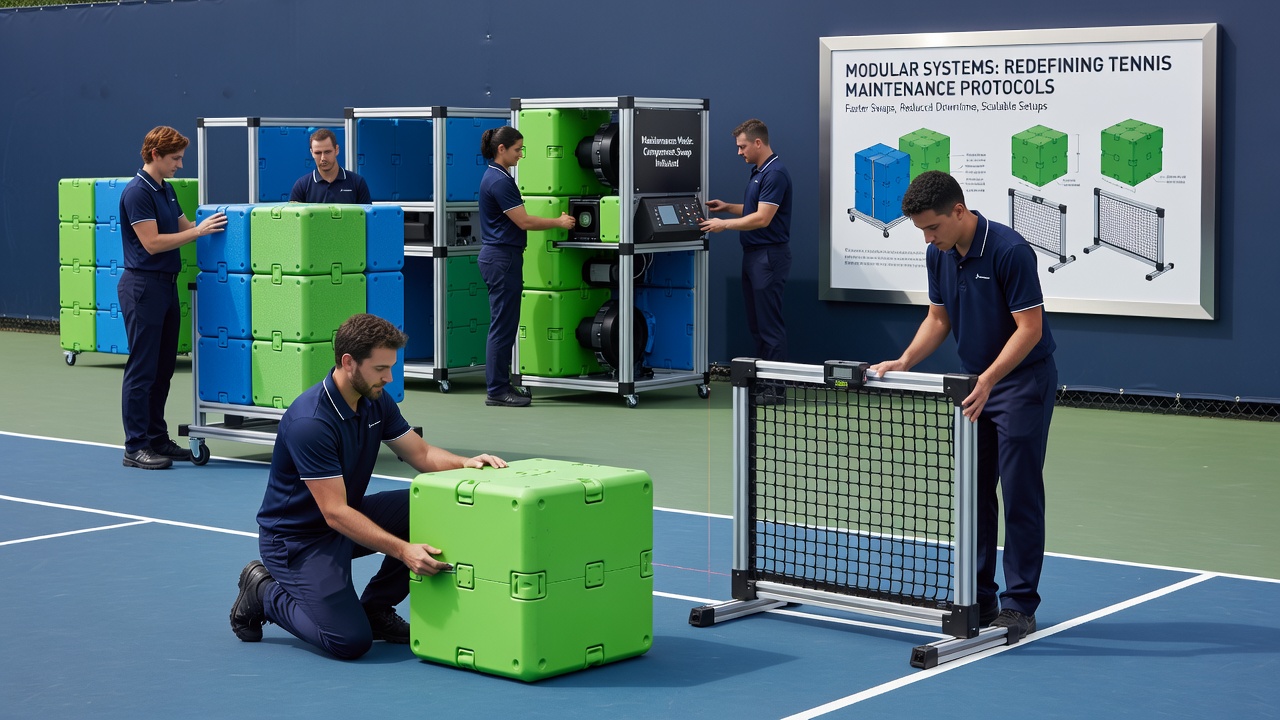
Multi-surface sites benefit when modules carry surface-specific settings stored on removable cards, allowing one retrieval unit to serve hard courts in summer and clay courts in cooler months through simple card swaps. Observers note that downtime logs show fewer full-day closures once facilities stock common interface parts on site.
Integration Patterns Across Multi-Court Facilities
Layout constraints at larger venues dictate how modules connect, and operators map cable runs and mounting locations so that a single delivery unit can feed multiple adjacent courts through extension arms. Research from the Sports & Fitness Industry Association outlines how standardized mounting patterns reduce the variety of brackets needed during upgrades. Facilities that added modular nets alongside existing barriers report smoother transitions during accessory refreshes because post adapters match legacy hole patterns.
Compatibility testing occurs at the planning stage, and maintenance teams verify that new sensor modules communicate with older control units before full rollout. This step prevents mismatches that previously required custom fabrication.
Supply and Training Adjustments
Distributors now maintain databases that match module serial numbers to facility inventories, and procurement teams order by interface type rather than complete model numbers. Training materials from equipment providers include diagrams of common connection sequences, and certification courses cover diagnostic steps that isolate issues to specific boards or actuators. Figures from European sports facility reports reveal that sites adopting these systems reorder fewer complete assemblies because partial replacements suffice in most cases.
Conclusion
Modular component systems continue to influence how tennis practice setups receive service, with facilities relying on standardized interfaces, shared spares, and module-level diagnostics to keep equipment operational. These changes appear in daily logs, parts catalogs, and training curricula as operators align maintenance with the physical design of the components themselves.