Material Compatibility Challenges in Multi-Brand Practice Gear Assemblies for Tennis Facilities
Geschrieben von Jonas Braun · 11.10.2026
Material Compatibility Challenges in Multi-Brand Practice Gear Assemblies for Tennis Facilities
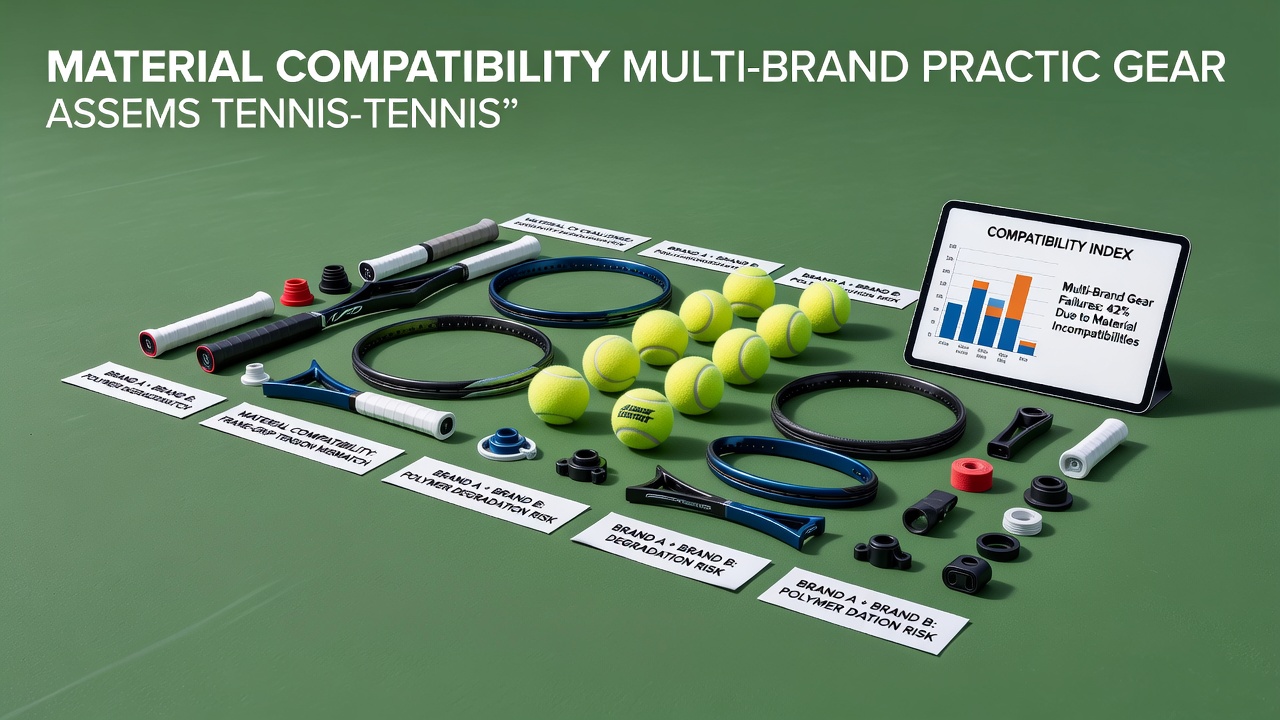
Facilities that operate tennis courts rely on practice gear such as ball machines, collection systems, and net assemblies that often combine components from different manufacturers, and material compatibility issues arise when metals, polymers, and composites fail to interface as designed.
Common Material Mismatches in Court Equipment
Steel frames from one supplier frequently connect to aluminum brackets produced by another, which creates galvanic corrosion when moisture from court surfaces accelerates oxidation at the junction points, while data from facility maintenance logs shows that such pairings require replacement intervals shortened by up to thirty percent compared with single-brand installations. Polymer tubes used in ball collection systems expand at different rates under temperature fluctuations, so a rigid polycarbonate piece mated to a flexible polyethylene section develops stress cracks after repeated exposure to outdoor conditions typical in temperate climates.
Dimension and Tolerance Variations Across Brands
Thread standards and mounting hole diameters vary between suppliers, which forces technicians to adapt fasteners or drill additional openings that weaken structural integrity over time. One maintenance team at a European training center documented cases where metric fittings from an Asian manufacturer did not align with imperial threads on North American ball machine hoppers, leading to air leaks that reduced machine efficiency during high-volume sessions. Researchers at the Australian Institute of Sport have measured these tolerance differences and reported that cumulative misalignment in multi-brand assemblies increases vibration, which transmits through frames and shortens the service life of motors and sensors.
Coatings applied to protect against ultraviolet exposure also differ in formulation, so a powder-coated surface from one vendor may not bond properly with touch-up paints sourced from another, resulting in peeling that exposes base metals to further degradation.
Impact on Maintenance Schedules and Replacement Parts
Procurement teams face ongoing decisions when sourcing replacement parts because compatible alternatives remain limited once initial mixed-brand setups are in place. Studies conducted by the International Tennis Federation indicate that facilities using equipment from three or more brands experience twenty-five percent higher annual parts expenditures than those that standardize on single-vendor systems. Technicians report that locating adapters or custom-machined connectors adds lead time, while delays in October 2026 deliveries of specialized polymer gaskets have already affected several North American venues preparing for winter indoor conversions.
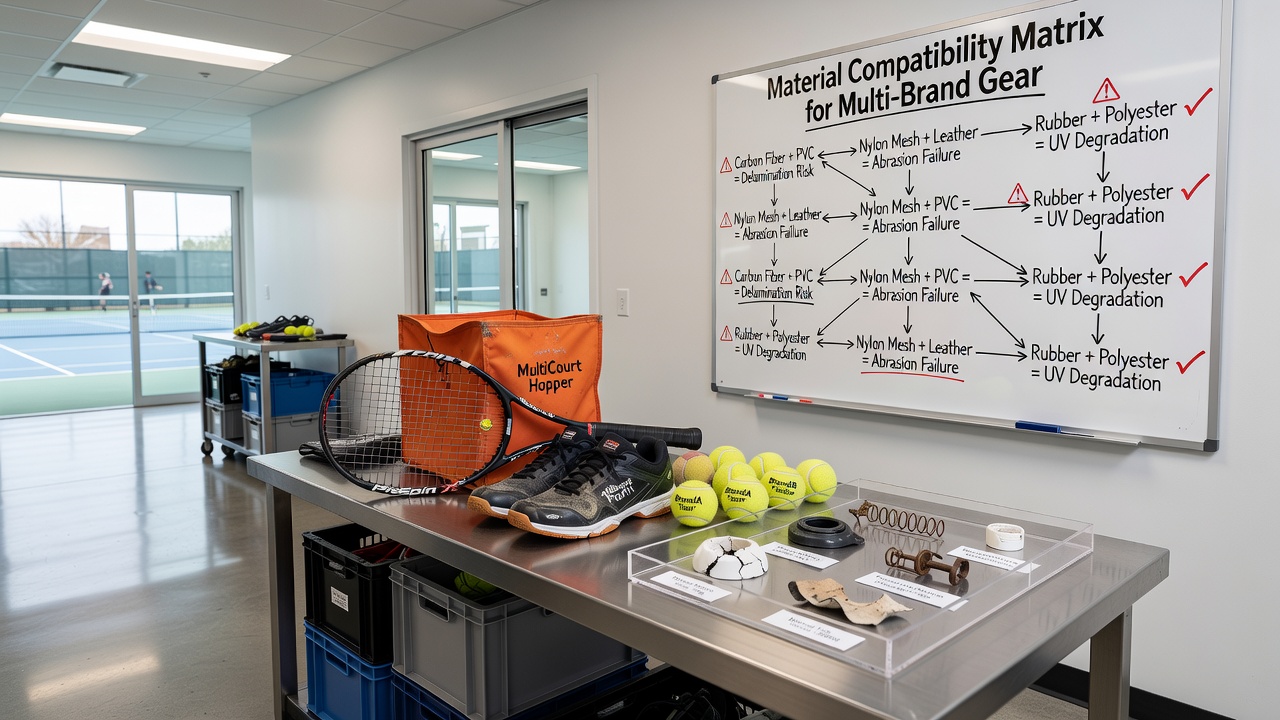
Sealing compounds chosen to bridge gaps between dissimilar materials sometimes react chemically with one of the substrates, which produces off-gassing or surface etching that further compromises weather resistance. Observers note that facilities in coastal regions encounter accelerated saltwater corrosion when stainless steel hardware meets carbon-steel frames without proper isolation barriers, and those who've tracked equipment histories find that early adoption of isolation washers extends operational periods by several seasons.
Standards and Testing Approaches
Industry groups have begun publishing guidelines that address cross-brand assembly, yet adoption remains uneven because many smaller facilities lack resources to implement full material compatibility audits. A 2025 report issued by Tennis Canada examined forty courts across multiple provinces and found that sixty percent of reported failures traced directly to material interface problems rather than outright component defects. Testing protocols now recommend salt-spray exposure, thermal cycling, and load-bearing assessments before new part combinations receive approval for installation.
Facilities that document material pairings and track performance metrics gain clearer visibility into which combinations deliver acceptable longevity, while those without such records continue to encounter repeated failures at the same connection points.
Conclusion
Material compatibility challenges in multi-brand tennis practice gear persist as facilities balance cost pressures against equipment performance requirements, and ongoing documentation combined with adherence to emerging testing standards offers the clearest path toward more reliable court operations across different regions and climates.